

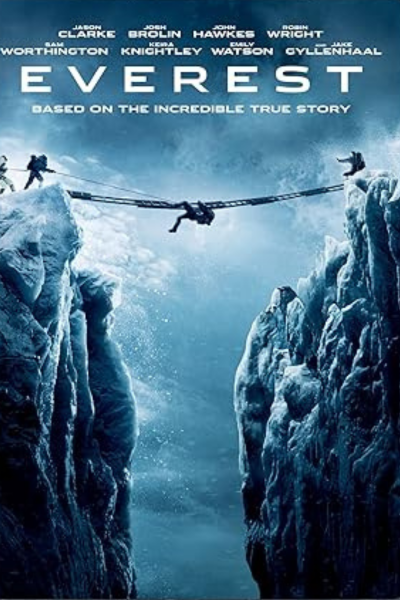


Everest is a 2015 biographical adventure drama directed by Baltasar Kormákur, based on the real events of the 1996 Mount Everest disaster. The film captures the harrowing and tragic experiences of two expedition groups who attempted to reach the summit of Everest, only to encounter one of the deadliest blizzards ever recorded on the mountain. Known for its gripping storytelling and realistic portrayal of high-altitude climbing, Everest sheds light on the dangers of extreme adventure and the human spirit's resilience and vulnerability.
Plot Overview
Everest follows two commercial expedition teams, one led by Rob Hall (Jason Clarke) of Adventure Consultants and the other by Scott Fischer (Jake Gyllenhaal) of Mountain Madness. In May 1996, Hall’s team includes a diverse group of climbers, each with personal motivations for taking on the world’s highest peak. Among them are Beck Weathers (Josh Brolin), a Texan doctor; Doug Hansen (John Hawkes), a postal worker striving to overcome personal challenges; and Yasuko Namba (Naoko Mori), a Japanese climber determined to complete her “Seven Summits” journey.
The climbers make their way to Everest’s base camp, where they acclimatize and prepare for the final ascent. As the climbers push toward the summit, they are caught in a massive blizzard that turns a challenging climb into a fight for survival. Severe weather, unpredictable terrain, and rapidly diminishing oxygen levels force the climbers to make life-and-death decisions on the mountain.
Characters
- Rob Hall (Jason Clarke): A seasoned and compassionate New Zealand mountaineer, Hall is dedicated to safely guiding climbers up and down the mountain. He is portrayed as a thoughtful and caring leader, deeply invested in his clients’ well-being, yet facing pressures of commercialization in high-altitude climbing.
- Scott Fischer (Jake Gyllenhaal): Known for his adventurous spirit and laid-back demeanor, Fischer leads Mountain Madness, another expedition company on the mountain. His experience as a climber contrasts with his more relaxed approach, which becomes a point of tension as conditions worsen.
- Beck Weathers (Josh Brolin): A determined and resilient climber from Texas, Beck’s character showcases the personal reasons that often drive people to attempt Everest. His journey is marked by an indomitable will to survive, even in the face of overwhelming odds.
- Doug Hansen (John Hawkes): A humble, dedicated postal worker who has invested everything into fulfilling his dream of summiting Everest. Doug’s vulnerability and determination make him one of the film’s most sympathetic characters, highlighting the emotional stakes involved in climbing the world’s highest peak.
Yasuko Namba (Naoko Mori): A Japanese climber who has successfully climbed six of the Seven Summits. She’s close to completing her journey with Everest, and her motivation and determination reflect the personal ambition that drives many climbers.
Themes
- Human Spirit and Survival: The film underscores the lengths to which individuals will go to fulfill personal ambitions. The climbers are pushed to their physical and mental limits, revealing both the extraordinary power and tragic vulnerability of the human spirit.
- Commercialization of High-Risk Adventure: Everest also examines the consequences of commercializing extreme adventure sports. The presence of multiple commercial expeditions on the mountain, combined with a rigid schedule and overcrowding, increases the risks and compromises safety, ultimately contributing to the tragedy.
- The Power of Nature: Through its breathtaking yet perilous setting, Everest highlights the uncontrollable and often deadly force of nature. The mountain itself is portrayed as both majestic and unforgiving, indifferent to human ambitions and suffering.
- Teamwork and Sacrifice: The film captures the intense camaraderie and sacrifices required in extreme environments. The climbers, although motivated by personal goals, often find themselves making choices for the collective well-being, even if it endangers their own lives.
Risk and Consequence: The film presents the reality that even the best-prepared climbers and guides are at the mercy of factors beyond their control. It emphasizes that the decision to climb Everest comes with an acceptance of potentially fatal risks.
Visuals and Cinematography
Everest is renowned for its stunning cinematography, effectively conveying both the allure and the perils of high-altitude climbing. Much of the filming took place on location in Nepal and the Italian Alps, with additional scenes recreated in Pinewood Studios in the UK to ensure both authenticity and safety for the cast.
The cinematography captures sweeping, panoramic views of the Himalayas, immersing viewers in the sheer scale and beauty of Mount Everest. At the same time, the filmmakers used close-up shots and realistic CGI effects to recreate the brutal conditions climbers face on the mountain, such as high winds, icy terrain, and severe weather shifts. The visual approach conveys the isolation, danger, and exhaustion that are inherent to high-altitude mountaineering.
Reception and Criticism
Everest received positive reviews from critics and audiences, particularly for its realism, cinematography, and the strong performances from the ensemble cast. Jason Clarke and Josh Brolin were praised for their authentic portrayals, bringing emotional weight to the survival drama. Critics highlighted how the film maintained respect for the real-life events and individuals involved, creating a tribute to both the climbers who survived and those who lost their lives on the mountain.
However, some viewers felt that the film's attempt to cover multiple storylines and perspectives diluted the emotional focus. While the ensemble cast brought variety, it also created a challenge in fully developing each character's backstory. The film was also critiqued by some for not delving deeply enough into the motivations behind extreme mountaineering or the ethical issues surrounding commercial expeditions on Everest.
Legacy and Impact
Everest stands as a notable depiction of high-altitude adventure and tragedy, resonating with mountaineers and general audiences alike. By accurately portraying the physical challenges and psychological strains of climbing Everest, it has contributed to greater public awareness of the dangers and sacrifices involved in summiting the mountain. The film has been lauded for its sensitivity to the real-life individuals involved in the 1996 disaster and serves as a cinematic memorial to the climbers who perished in their pursuit of Everest’s summit.
The film also reignited discussions about the ethical and environmental issues surrounding Everest expeditions, such as overcrowding, the dangers of commercialization, and the responsibilities of expedition companies in ensuring climbers’ safety.
Conclusion
Everest is a powerful and visually arresting survival drama that offers an unfiltered look into the challenges of climbing the world’s highest peak. By balancing breathtaking visuals with a respectful portrayal of real-life tragedy, it brings viewers into the extreme, often perilous world of mountaineering, reminding us of nature's supremacy and humanity's determination to explore its limits.