
Nepal: Culturally Rich Heritage Adding Depth to Your Film
Introduction
In addition to the impressive dramatic landscapes, Nepal's dynamic culture and tradition offer a realm of opportunity for filmmakers to add depth and authenticity to their narrative. From the bustling markets in the cities to serene Buddhist monasteries, Nepal's cultural tapestry is teeming with stories waiting to be told. The films capture unique customs, festivals, and lifestyles of the ethnic groups of Nepal and present their films with cultural authenticity. In this blog, we go deep into how the rich heritage of Nepal will help film it, and whether you're on subject matters with stories of spirituality, history, or challenges of today.
1. A Multicultural Mosaic: Diversity in Every Scene
With over 125 ethnic groups, more than 125 languages, and customs and traditions, this diversity alone can make Nepal a perfect backdrop for cinematic explorations related to multiculturalism, ethnic identities, or intersections of multiple ways of life.
In fact, filmmakers can avail great diversity in expressions of cultures, from Newars to Tharus and Sherpas, as it unravels into the stories, mainly in different ways of dressing, architectural forms, religious practices, and social structures that make films rich in visual and narrative elements.
Key Cultural Groups for Filmmakers:
Newar: Traditionally recognized for their immense exposure to art and architecture, especially in Kathmandu and Bhaktapur. Sherpa: Their claim to fame is the high-altitude lifestyle, spiritual attachment to the mountains, and mountaineering expeditions. Tharu: Inhabiting the Terai region, their colorful festivals and a certain style of living give a glimpse into rural life in the plains of Nepal.
2. Religious Traditions: Spiritual Themes and Iconography
Nepal is the origin of the Buddha and a huge center for Hinduism. It's a great melting pot of traditions in terms of religions. The tolerant nature of Hinduism, Buddhism, and some indigenous beliefs living together in harmony offers a luscious resource for filmmakers to grab enormous religious and spiritual images.
From spiritual journey filming to documenting some form of religious conflict or the sacred rituals performed within the hearts of its people, Nepal offers a genuine setting where life has spiritual undertones. There are temples and stupas and monasteries all over the place, while Dashain, Tihar, and Buddha Jayanti remain living festivals.
Key Religious Sites for Filmmakers
Lumbini: Birthplace of the Buddha, a pilgrimage site ideal for films centered around Buddhism or spiritual awakening.
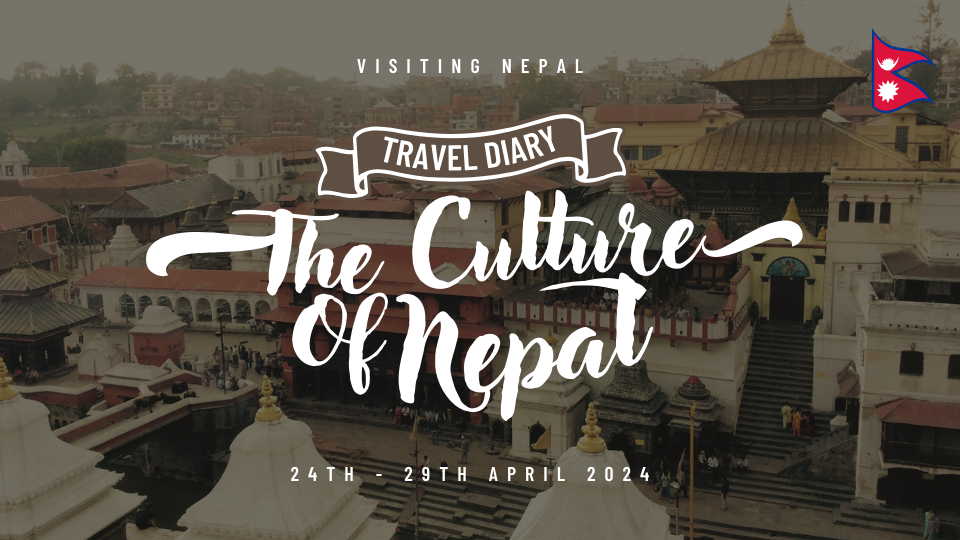
Pashupatinath Temple: One of the most sacred Hindu temples, situated on the banks of the Bagmati River, has frequently been used in films that capture Hindu spirituality or rituals.
Swayambhunath Stupa (Monkey Temple): A Buddhist site that commands panoramic views over the Kathmandu valley, and iconic shots of prayer flags, monks, and religious processions.
3. Festivals: Vibrant Color and Tradition
Festivals in Nepal, for a filmmaker, are a goldmine wherein richly colored tapestries of music, dance, and rituals are to be reckoned with. It would, therefore, be some perfect occasions to capture the real cultural expressions that add depth to the narrative of a film. Festivals also give films an emotional backdrop and usually represent themes like family, community, and spirituality.
For instance, animal sacrifices, group processions, and family reunions make up the Dashain festival of Hinduism, which celebrates the victory of good over bad. Conversely, the festival of lights, Tihar, is characterized by oil lamps placed in every household and intricate designs of mandalas, signifying humans' bonds with animals.
Key Festivals for Filmmakers:
Dashain: It is the longest and most important Hindu festival in Nepal. Ideal film festivals portray family unity, spiritualism, or traditional values.
Tihar: Festival of light, explosion of color and festivity in each frame presented before filmmakers.
Indra Jatra: Masked dances and processions in Kathmandu create a perfect locale for depiction of old rituals amidst modern urban life.
4. Folk Music and Dance: Capturing Emotion and Mood
Music and dance, being the inseparable elements of Nepalese culture, make use of traditional music incredibly consequential for a film's ability to touch the spectators' emotions. Nepalese music ranges from madal beats to the hauntingly beautiful sounds of a sarangi-a stringed instrument. Almost all ethnic groups have their particular styles of music and dances, often unmatched anywhere else, that can be brought into the films for added authenticity and atmosphere.
For example, a Lakhey dance among the Newari community to be performed during festivals, is also seen both visually attractive and culturally relevant to show protector spirits of the community. On the other hand, Sherpa communities have their folk songs and dances, usually executed in communal gatherings or religious ceremonies. Traditional music and dance can be integrated within a film in a way it comes out emotionally valuable, expressed in a very culturally defined sense, and understood in a way it means a lot to the identity of the people involved.
Key Music and Dance Traditions for Filmmakers:
Lakhey Dance: Masked dance from the Newari people, best suited for dramatic or mystical scenes.
Sherpa Folk Music: It relates to the transcendent bond of mountain villagers with their surroundings.
Tharu Stick Dance: This is a traditional dance of the Terai region, which could be used for a scenario where people are supposed to have celebrated together or living in rural areas.
5. Markets and Daily Life: Capturing the Vibrancy of Urban and Rural Nepal
Its chaotic city markets and quiet countryside villages offer filmmakers a host of options to film, showcasing daily life. From the crowded streets of Kathmandu, where vendors sell everything from spices to handmade textiles, to the peaceful, slow-paced life of mountain villages, rich contrast between urban and rural Nepal will be portrayed by the filmmakers.
The above settings give a very realistic touch to the day-to-day lives of Nepalese people. For films that require scenes with boisterous human interaction, a befitting setting would be a market place such as Ason Bazaar or one of the streets of Patan. Isolated villages in the Himalayas, on the other hand, become the best film locations for those stories on simplicity, tradition, and community since life tends to revolve around agriculture and herding of livestock.
Major Film Locations
Ason Bazaar, Kathmandu: Vibrant bazaar where one can capture the bustling nature of the urban neighborhood in Nepal.
Patna Durbar Square: A more laid-back yet culturally vibrant area where one gets a feel for everyday life in an ancient setting.
Himalayan Rural Villages: Perfect for filming community, traditional lifestyles, or isolation beauty.
6. Costumes and Traditional Attire: Bringing Historical and Cultural Accuracy
The traditional Nepali dress is very symbolic and at the same time scenically exciting and dramatically beautiful. Whoever inhabits the hills, man or woman, each daura suruwal he wears makes him a beaming tower of success. And in rural Nepal, women adorn themselves with gunyo cholo and sari like a full-flowering plant. Through these costumes, backgrounds, class status, and position of each character in society can be revealed visually to filmmakers.
Traditional attire for costumes may be used in periodic pieces or those dealing with Nepal's cultural heritage to achieve depth in both historical and cultural authenticity. Festivals and religious events are already commonly adorned with rich colored costumes, which can delve deep into visual storytelling.
Film Costume Keys
Daura Suruwal: This is the national costume and is ideal for any epochal productions or traditional family settings.
Gunyo Cholo is the traditional dress worn by women, mainly on vital life ritual occasions or during festivals.
Sherpa and Tamang Traditional Outfit: It has also become symbolic of life in the high Himalayas, especially in films related to mountain communities.