
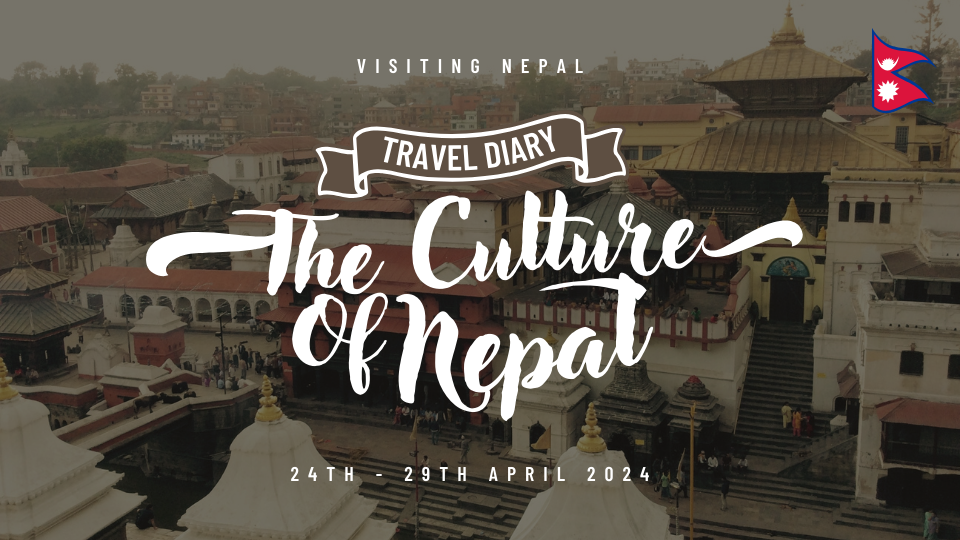
Nepal: Why Filmmakers Flock Here for Spectacular Landscapes
Nestled deep in the Himalayas, Nepal creates a naturally perfect backdrop for filmmakers. From snow-capped towering peaks to green valleys and ancient temples, the varied topography of Nepal offers stunning backgrounds that have fascinated directors from all over the world. Whether your documentary captures adventure, a historical drama, or even a travelogue, the scenery of Nepal has no equal. This blog discovers those breathtaking locations that make Nepal a paradise for filmmakers, from Everest Base Camp and the Annapurna Circuit to serene Pokhara lakes.
1. Magnificent Mountain Ranges-A Cinematographer's Dream
Eight of the world's fourteen highest peaks besides Mount Everest call Nepal home. The towering Himalayan range with its jagged ridges and shimmering glaciers sets up an unparalleled atmosphere of grandeur and isolation that acts as a perfect setting for epic scenes requiring a sense of scale and adventure.
Filmmakers often make their way to Everest Base Camp for the fascinating views of the world's highest mountain. Everest, a movie released in 2015, along with a few documentaries like Sherpa, has used this region to bring the scale and beauty of the Himalayas onto the big screen.
Key Filming Locations:
Everest Base Camp: Offers a dramatic backdrop for high-altitude adventure films or documentaries.
Annapurna Circuit: Known for its diversity of land, sub-tropical forests to alpine deserts, good movie genres and varieties.
2. Lush Valleys and Ancient Temples: Suitable for Historical Epics.
More than its towering mountains, Nepal can offer the film director lush valleys dotted with centuries-old temples and palaces. In fact, the Kathmandu Valley, also a UNESCO World Heritage Site, contains seven heritage monuments, among which each can provide a setting that will transport audiences into ancient times.
Working out the architecture of temples, be it the Monkey Temple of Swayambhunath or the Boudhanath Stupa, against a backdrop of green hills and terraced farms creates an unusual juxtaposition of nature and spirituality, ideal for films blending history, religion, and cultural exploration.
Key Filming Locations:
Kathmandu Durbar Square: Ideal for period films or dramas because of the ancient palaces and temples.
Patan and Bhaktapur: These two ancient cities are hauntingly beautiful, their preserved architecture bewitching anyone who has ever laid eyes on them-a testament to yester-year's grandeur.
3. Serene Lakes and Rivers: A Soothing Oasis for Travelogues and Documentaries
It is not just rugged terrains and high-altitude adventures. Nepal is also blessed with peaceful lakes and rivers, thus perfect for movies relating to serenity, nature, or spiritual journey. The famous Phewa Lake of Pokhara is said to reflect the wide expanse of the Annapurna range on its silent surface, though it has been of great attraction to filmmakers in terms of a calm and almost surreal atmosphere.
These lakes and rivers of Nepal create the perfect site for introspective moments, meditative shots, or cinematic views for a nature-based documentary or movie that deals with self-discovery.
Key Locations for Filmmakers:
Phewa Lake, Pokhara: Ideal for tranquil, reflective scenes with breathtaking mountain reflections.
Rara Lake: The largest lake in Nepal, lying in one of its most remote areas, serves best for movies that need scenes of isolation or pristine wilderness.
Trishuli River: This is famous for its white-water rapids and has been the favourite location for adventure films or documentaries related to water.
4. A Unique Blend of Cultures: Depth to character-driven stories
Nepal's unique cultural mosaic brings together Hinduism, Buddhism, and indigenous traditions into a rich tapestry that is a deep well of inspiration for filmmakers in character-driven films. Festivals like Dashain, Tihar, and Indra Jatra, with their vivid rituals and processions, create an added layer of authenticity in films that explore spirituality, cultural conflicts, or personal journeys.
Besides this, the cultural diversity of Nepal in the form of Sherpas, Tharus, and Tamangs provides a rich story and view for filmmakers intending to project indigenous cultures and their traditions. Such cultural diversity may provide a backdrop for stories that can dig deeper into human experiences rather than just physical landscapes.
Other Locations of Interest for Filmmakers:
Lumbini: Being the birthplace of Lord Buddha, it is a very good location for movies dealing with either spiritual or historical themes.
Khumbu Sherpa Villages: Excellent for any sorts of documentaries or films that actually show indigenous communities and ways of living.
Gosaikunda Lake: It is a holy alpine lake. Therefore, it draws pilgrims or people who make spiritual journeys.
The landscapes of Nepal are not limited to mere mountains and valleys, but the country sports a variety of ecosystems, from subtropical jungles to high-altitude plains. The southern region of Nepal, especially Chitwan and Bardia National Parks, is rich in wildlife, which includes Bengal tigers, rhinos, and elephants. Filmmakers in search of nature, documentaries, or even adventure dramas can get enough inspiration herein.
In contrast, Mustang and Dolpo high-altitude plains offer the stark, desert-like scenario that looks otherworldly, perfect for science fiction or fantasy movies. Shot locations remain relatively unchanged by modern development, allowing filmmakers to shoot locales looking virtually timeless.
Favourite Locations for Filmmakers
Chitwan National Park: Great for documentaries of wildlife or jungle adventures movies.
Upper Mustang: Its arid, dramatic landscapes are perfect for any film that needs this type of setting-remote or timeless.
Dolpo: Film locations include Himalaya (1999), featuring a unique and dramatic landscape perfect for films about isolation or the mystical.
6. Logistics: Infrastructure and Support
Although the government has implemented incentives and support packages to foreign filmmakers, Nepal has become increasingly film friendly. The Nepal Film Development Board assists with permits while local production companies offer equipment rental services for example to experienced guides who know the region well.
The diversity in geography also means filmmakers can shoot multiple types of scenes-from tropical jungles to alpine mountains-without having to travel great distances. This convenience, together with cheap production costs, makes Nepal an ideal destination for filmmakers in search of variety at low costs.
Conclusion: A Filmmaker's Paradise
Nepal is a perfect location for filmmakers who want to shoot epic landscapes, rich cultural traditions, and untouched wilderness. You get dramatic mountain ranges, serene lakes, ancient temples, and diverse ecosystems-all the ingredients for almost any kind of storytelling you may need. Be it a sweeping historical epic, an adventure-filled documentary, or a reflective travelogue, the varied expanse of Nepal will breathe life into your vision and make it an unforgettable cinematic experience.